The evolution of gambling tracing the roots of games of chance
The Ancient Origins of Gambling
The history of gambling can be traced back thousands of years, with evidence suggesting that it dates as far back as 3000 BC in ancient China. Archaeological findings indicate that simple games of chance were played using rudimentary dice made from materials like bone and wood. These early forms of gambling not only served as entertainment but also played a role in religious and cultural rituals, emphasizing the significance of luck and chance in human life. For those interested in the topic, you can visit https://west-ace-casino.uk for more resources.
In addition to China, other civilizations such as the Egyptians and Romans engaged in gambling activities. The Egyptians used dice in various games, while the Romans incorporated betting into their social lives, often wagering on gladiatorial contests and chariot races. These activities laid the groundwork for the structured betting systems we see today and illustrate how gambling was intertwined with the social fabric of ancient societies.
The advent of these games in ancient times also highlights the psychological allure of chance, as people became captivated by the possibility of winning and the thrill of risk. This fascination with games of chance would evolve over centuries, leading to the diverse array of gambling activities that exist in modern society. As different cultures adapted and expanded upon these games, gambling began to solidify its place in human history.
The Medieval Period and the Rise of Gambling Establishments
During the medieval period, gambling took on new dimensions as communities began to formalize betting through the establishment of dedicated venues. Taverns and inns became popular spots for people to engage in games such as dice and card games, often accompanied by ale and storytelling. These establishments not only provided entertainment but also fostered social interaction among community members, strengthening the cultural bonds surrounding gambling. The emergence of organized gambling venues reflected the growing social acceptance of the practice.
The invention of playing cards in the late 14th century further revolutionized the gambling landscape. Originating in China and spreading to Europe, card games quickly gained popularity. Variations like poker and blackjack emerged, each with their own unique set of rules and strategies, captivating players and setting the stage for organized gambling. The creation of gaming houses signaled a shift towards more formalized gambling settings, allowing for greater regulation and oversight.
Furthermore, the medieval period saw the establishment of laws governing gambling. While some regions embraced gambling as a source of revenue, others viewed it as a vice that needed regulation. This dichotomy laid the groundwork for the evolving relationship between society and gambling, setting the stage for future developments as attitudes towards chance games shifted over time.
The Age of Enlightenment and Legalization
The Age of Enlightenment brought forth significant changes in societal attitudes towards gambling. As rational thought gained prominence, many viewed gambling through a lens of reason and economics. This period marked the beginning of legal frameworks that sought to regulate gambling, providing a clearer distinction between acceptable forms of gaming and those deemed harmful. Governments began to recognize the potential tax revenue generated from gambling, leading to its gradual legalization in various forms. This development showcased a broader acceptance of gambling within legitimate spaces.
Lotteries, which had existed in different forms throughout history, gained renewed popularity during this era. They were often employed to fund public projects, including infrastructure and educational institutions. The acceptance of lotteries represented a societal shift towards viewing gambling as a potential force for good, further embedding it into the economic and cultural fabric of society. This acceptance played a pivotal role in the establishment of state-run lotteries that continue to exist today.
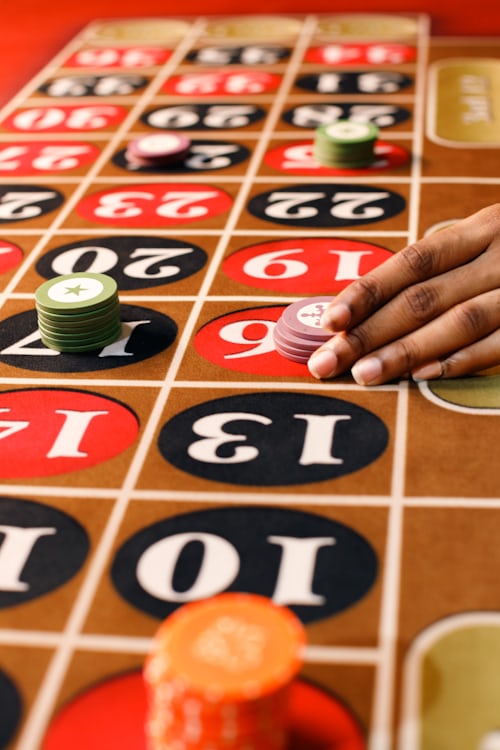
Moreover, the rise of new gaming technologies in the 18th century, such as the roulette wheel, offered fresh opportunities for gamblers and increased the allure of gaming establishments. As casinos began to emerge in cities like Venice and Monte Carlo, gambling evolved into a sophisticated pastime that attracted individuals from all walks of life, thereby solidifying its place in popular culture.
The Modern Era of Gambling and Technological Advancements
The 20th century witnessed an unprecedented evolution in gambling, primarily driven by technological advancements. The introduction of electronic gaming machines revolutionized the way people engaged with gambling. Slot machines, in particular, became a mainstay in casinos, offering players instant gratification and the chance to win large jackpots with minimal effort. This shift towards electronic gaming mirrored broader societal changes as leisure activities increasingly relied on technology.
The advent of the internet in the late 20th century further transformed the gambling landscape. Online casinos began to emerge, providing players with unprecedented access to a wide array of games from the comfort of their homes. This revolution democratized gambling, allowing individuals who may have been deterred by traditional casino settings to participate. With the rise of mobile technology, gambling is now available at any time and place, making it a ubiquitous part of modern life.
However, this rapid expansion has also raised concerns regarding responsible gambling practices. As accessibility increases, so does the potential for addiction and financial distress. Many jurisdictions have implemented regulations aimed at promoting responsible gambling, including self-exclusion programs and educational campaigns. The balance between ensuring a safe gambling environment and allowing for freedom of choice remains an ongoing debate in the contemporary gambling landscape.

The Future of Gambling and Its Cultural Impact
The future of gambling is poised for further evolution as societal norms and technology continue to develop. The integration of virtual reality and artificial intelligence into gambling experiences is already beginning to reshape how games are played. Players can now engage in immersive environments that mimic real-world casinos, creating a new layer of excitement and interaction. This technological advancement not only attracts younger demographics but also changes the way traditional games are perceived.
Additionally, the increasing acceptance of sports betting marks a significant cultural shift in gambling. Many jurisdictions have loosened restrictions on betting on athletic events, leading to a surge in popularity. Sports betting is now seen as a legitimate pastime, often promoted by major leagues and teams. This evolution underscores the ongoing interplay between gambling and sports, as betting becomes deeply embedded in the culture of fandom.
As the gambling industry continues to adapt to societal changes, it remains essential to foster a dialogue around ethical considerations and responsible practices. The landscape of gambling will undoubtedly keep evolving, but its core appeal—the thrill of chance and the potential for reward—will always resonate with human nature. The ongoing journey of gambling reflects a rich tapestry of history, culture, and technological innovation that shapes our understanding of chance.